
DivX compatibility enhances multimedia enjoyment by ensuring seamless video playback across diverse devices without extra software. Understanding DivX conversion, as demonstrated by "How to Convert DivX," allows users to retain high-quality audio and video for easy sharing. Adopting versatile conversion tools supporting popular formats like MP4 and MKV, coupled with cloud-based content delivery services, facilitates automatic device detection and adaptation for a superior user experience on smartphones, tablets, and smart TVs.
“Discover the power of DivX and its ability to seamlessly integrate with a variety of devices. This article guides you through the process, starting with understanding DivX compatibility and its numerous benefits. We’ll explore practical strategies for hassle-free integration, ensuring your media experience is smooth and enjoyable. Learn how to convert DivX formats easily, unlocking access to a wide range of devices and platforms. Optimize your viewing pleasure today!”
Understanding DivX Compatibility and Its Benefits
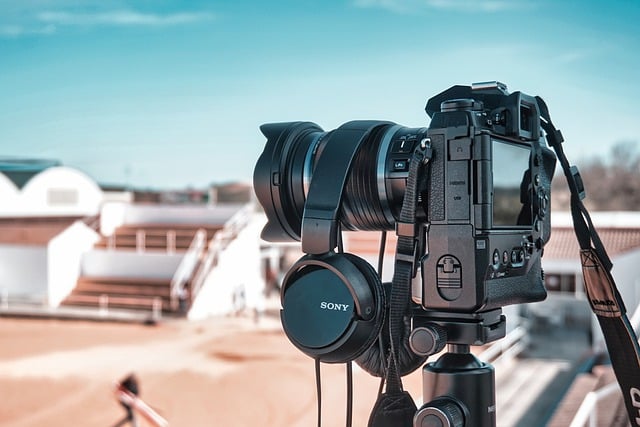
DivX compatibility is a key feature that enables seamless integration with various devices, enhancing multimedia experiences. Understanding how DivX works and its benefits is crucial for anyone looking to optimize video playback across different platforms. DivX is a versatile codec that allows users to convert videos into a format compatible with numerous devices, including smartphones, tablets, and smart TVs.
By learning How to Convert DivX, users can take full advantage of this compatibility. Converting videos to DivX ensures smooth playback without the need for additional software or plugins, making it an ideal choice for sharing content across different devices. This process is straightforward; you can use dedicated conversion tools that support DivX formatting, enabling you to retain high-quality video and audio while ensuring compatibility with a wide range of device ecosystems.
Strategies for Seamless Integration with Devices

To ensure seamless integration with various devices, start by understanding the diverse needs and capabilities of your target audience. Different devices have varying formats and codecs for media files. Therefore, a robust strategy involves implementing versatile conversion capabilities that can handle popular device-specific formats like MP4, MKV, or even specific streaming protocols. How to Convert DivX is a prime example; offering compatibility with modern devices while preserving high-quality video ensures a wide reach.
Additionally, consider using cloud-based services for content delivery and integration. This approach allows users to access media seamlessly across multiple platforms, including smartphones, tablets, and smart TVs. By leveraging cloud technology, you can provide automatic device detection and content adaptation, further enhancing the user experience.