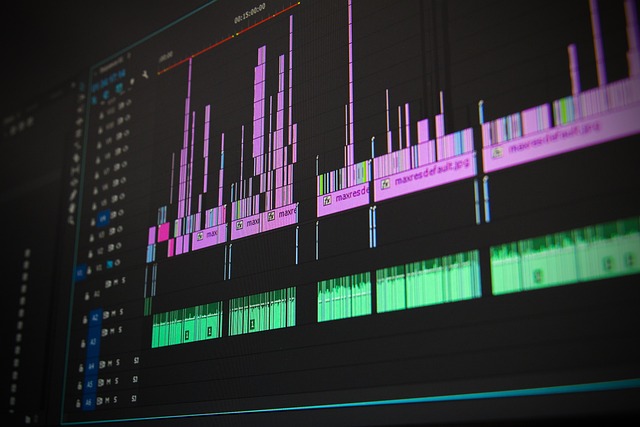
Despite DivX's high-quality encoding and efficient file sizes, compatibility issues hinder its widespread adoption. To overcome these challenges, users need to convert DivX files to universally compatible formats like MP4 or AVI for seamless sharing and playback. The article's "How to Convert DivX" section offers practical steps to ensure smooth integration with modern devices, enhancing the overall video experience. By keeping media libraries synchronized through automatic updates, users can access the latest content effortlessly. For successful cross-device compatibility, updating to the latest software versions, using reliable online converters or dedicated software, and maintaining these tools' updates are crucial. The future looks bright for DivX device interoperability with AI advancements and simplified conversion processes, making multimedia content accessible on a broader range of devices.
Discover the power of seamless device integration with DivX—a game-changer for multimedia enthusiasts. This article explores how DivX enables cross-compatibility, allowing you to enjoy your favorite content smoothly across various platforms. From understanding compatibility challenges to unlocking key features and practical steps for enabling seamless integration, we guide you through the process. Learn how this technology is shaping the future of digital media consumption and find out how to convert DivX with ease.
Understanding DivX and Its Compatibility Challenges
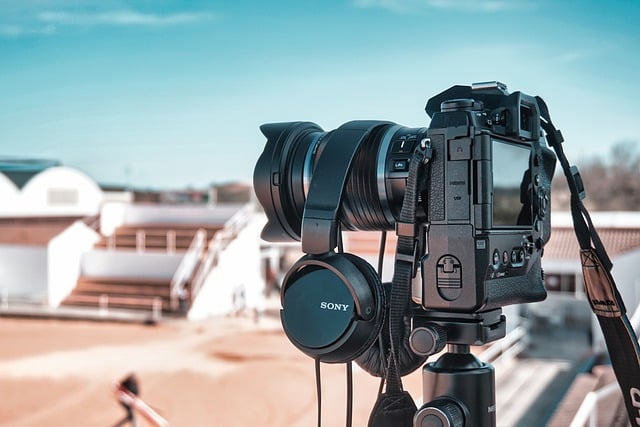
DivX, a video compression format known for its high-quality encoding and efficient file sizes, has long been a popular choice for media enthusiasts. However, its widespread adoption was hindered by compatibility issues with various devices and platforms. The format’s unique features often required specialized decoders and players, leading to a fragmented ecosystem.
Converting DivX to more universally compatible formats like MP4 or AVI becomes essential for users wanting to share and play their videos without restrictions. How to Convert DivX guides users through this process, offering practical steps to ensure smooth integration with modern devices. By eliminating compatibility challenges, users can fully enjoy their DivX content across different devices, streaming platforms, and media players, enhancing the overall video experience.
The Benefits of Seamless Device Integration

Seamless device integration offers numerous advantages for modern users, especially those looking to enjoy their media content freely and conveniently. With just a few clicks, you can stream your favourite movies or music across multiple devices—from smartphones and tablets to smart TVs and gaming consoles. This capability eliminates the hassle of manual file transfers and ensures a consistent viewing experience.
For instance, when converting DivX files for seamless integration, users can effortlessly share their multimedia content with friends and family without worrying about compatibility issues. Seamless device integration also enables automatic updates, keeping your media library synchronised across all devices. This means you’ll always have access to the latest episodes or albums, enhancing your overall entertainment experience.
Key Features for Successful Integration
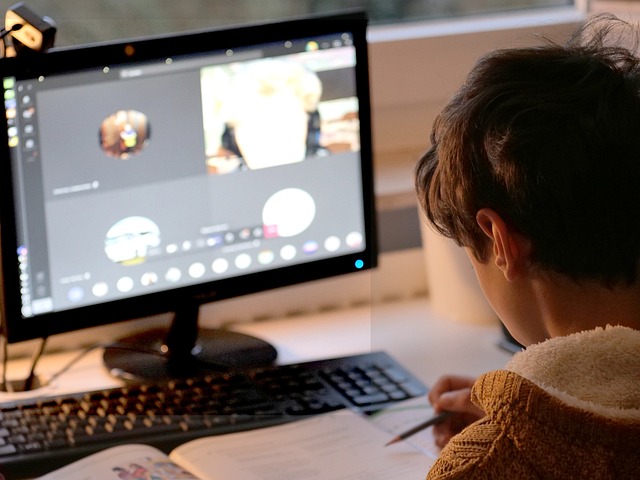
When aiming for successful integration, several key features prove indispensable. Firstly, compatibility with a wide range of devices is paramount. The ability to seamlessly work with smartphones, tablets, computers, and smart TVs ensures a broader user reach. Secondly, a robust conversion tool like How to Convert DivX becomes an asset; it enables users to easily adapt content formats for optimal viewing across different platforms.
Furthermore, security measures are crucial to protect sensitive data during the integration process. Encryption techniques and secure protocols safeguard user information, fostering trust. Additionally, real-time updates ensure that any new devices or format changes are promptly accommodated, keeping the integration process dynamic and efficient.
Practical Steps to Enable Cross-Device Compatibility
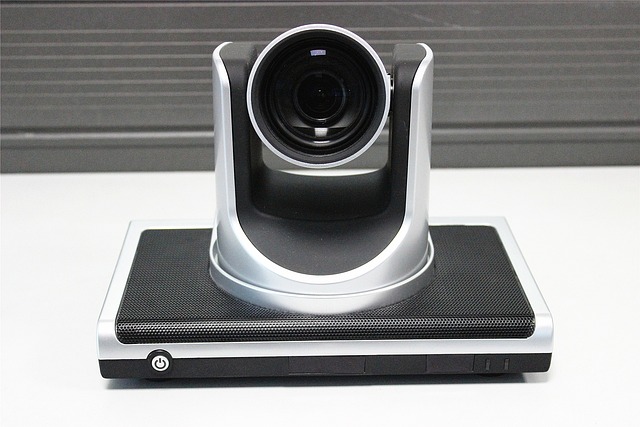
To ensure your media player or software has cross-device compatibility, follow these practical steps:
1. Check for Updated Software: Begin by updating your media player to the latest version. Developers often include improvements and bug fixes that enhance device compatibility in newer releases. Look for an update option within the player’s settings menu.
2. How to Convert DivX: If you’re working with specific video formats like DivX, consider using a reliable converter. These tools can transcode videos into more universally compatible codecs like MP4 or MKV. Search for online converters or download dedicated software that supports various devices and platforms. Ensure the converter is up-to-date to support the latest hardware and operating systems.
Future Trends in DivX Device Interoperability

As technology continues to evolve, the future of DivX device interoperability looks promising. The key trend is toward even greater seamlessness in how devices communicate and share data. With advancements in AI and machine learning, we can expect smarter, more adaptive systems that anticipate user needs and automatically optimize how content is delivered across different platforms.
One exciting development is how How to Convert DivX files will become smoother and more accessible. New standards and protocols are being developed to facilitate the conversion process, making it faster, easier, and more compatible with a wider range of devices. This means that enjoying multimedia content on your favorite devices will be as simple as converting your files using modern tools designed for optimal interoperability.
DivX’s ability to enable seamless integration across diverse devices is a game-changer for multimedia enthusiasts. By overcoming compatibility challenges and leveraging key features, users can enjoy a unified experience. Understanding the practical steps outlined in this article will empower folks to effortlessly convert and share DivX content without any hurdles. Looking ahead, future trends promise even greater interoperability, revolutionizing how we access and enjoy digital media.