
DivX, a legacy codec from the late '90s, revolutionized video streaming. Today, converting DivX to modern formats like MP4 or MKV is crucial for accessibility and compatibility. This guide teaches how to convert DivX videos using tools like HandBrake or Xvid Codec Pack, ensuring high-quality content reaches diverse devices and platforms. Learning this skill enhances digital video distribution, providing a seamless viewing experience tailored to various internet speeds and hardware setups.
In today’s digital era, efficient video distribution is paramount. The legacy of DivX, once a pioneer in compression, now requires modernization. This article explores how DivX conversion serves as a game-changer, offering enhanced efficiency and quality. We’ll delve into the need for updated distribution methods, uncover the advantages of DivX conversion, and provide a step-by-step guide on How to Convert DivX, empowering users to navigate this innovative solution.
Understanding DivX and Its Legacy

DivX, once a pioneering codec that revolutionized digital video distribution, has left an indelible mark on the tech industry. Originally developed in the late 1990s, DivX introduced efficient compression techniques, allowing for smaller file sizes while maintaining high-quality video. This was a game-changer, as it made streaming and downloading videos more accessible and convenient for early internet users. Over time, its popularity grew, fostering a thriving online community of content creators and consumers.
Converting DivX files to modern formats is now easier than ever. With the right tools, you can effortlessly transcode these legacy videos, ensuring they remain compatible with today’s devices and platforms. The process involves selecting an appropriate conversion software that supports DivX decoding, followed by choosing the desired output format like MP4 or MKV. This simple how-to guide ensures that viewers can still access and enjoy those nostalgic DivX videos without any hassle.
The Need for a Modern Distribution Method
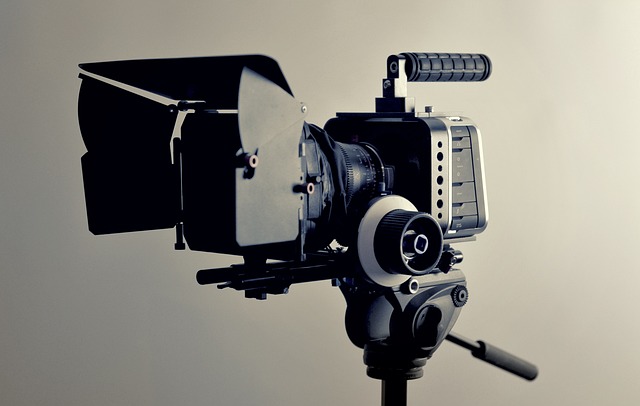
In today’s digital era, the way we consume video content has evolved dramatically, and so has the need for efficient distribution methods. Traditional formats like DivX, while once popular, struggle to keep up with modern demands. The current landscape requires a game-changer that can handle high-quality video distribution, cater to diverse devices, and offer seamless user experiences. Thus, navigating this digital maze necessitates a fresh approach to video delivery.
Converting DivX to a more modern format is not just about keeping up with trends; it’s a strategic move to enhance accessibility and compatibility. By doing so, content creators and distributors can ensure their videos are viewed by a broader audience across various platforms. This shift enables them to reach folks who value convenience, quality, and the latest technologies in their video viewing habits.
Unlocking the Potential: Advantages of Conversion

Converting video files, such as DivX, offers a range of advantages for digital video distribution. By adopting conversion techniques, content creators and distributors can unlock several key benefits that enhance their reach and viewing experience. One of the primary advantages is compatibility; converting videos ensures they are compatible with a wide array of devices and platforms, from smartphones to smart TVs. This universal accessibility expands the potential audience, allowing more people to enjoy the content regardless of their hardware or software setup.
Additionally, conversion facilitates improved video quality and optimized performance. It enables the transcoding of videos into various formats, ensuring they are tailored for efficient streaming over different internet speeds. High-quality conversions maintain the original visual and audio integrity while reducing file sizes, resulting in faster download times and smoother playback. This is particularly beneficial for content creators aiming to deliver a seamless viewing experience without frustrating buffering delays.
Implementing DivX Conversion: A Step-by-Step Guide

Implementing DivX Conversion: A Practical Guide
1. Understand Compatibility: Before converting, ensure your digital video is compatible with DivX format. This involves checking the file type (e.g., .mp4, .avi) and verifying support in your media player or distribution platform. DivX is known for its efficient compression, making it ideal for streaming and download services.
2. Choose a DivX Encoder: Select a reliable DivX encoder software to facilitate the conversion process. Popular options include HandBrake and Xvid Codec Pack. These tools offer user-friendly interfaces and advanced settings for optimizing video quality and file size. Install your chosen encoder, ensuring it’s configured correctly for DivX encoding.
In conclusion, the evolution of digital video distribution demanded a modern approach, and DivX conversion emerges as a game-changer. By understanding the legacy of DivX and addressing the need for an improved distribution method, this technology offers significant advantages in terms of file size reduction, compatibility, and overall user experience. With a simple step-by-step guide on how to convert DivX, individuals can now enjoy high-quality videos with greater accessibility and efficiency.