
DivX is a high-quality, compact video compression format ideal for streaming and downloads. Modern codecs support variable bitrate (VBR) encoding for optimized compression. Converting videos to DivX involves setting bitrate, resolution, and coding profiles for desired quality vs. file size trade-off. Understanding bitrates allows users to tailor outputs for mobile streaming or high-quality offline viewing. Advanced conversion techniques include optimizing bitrate allocation, quantization, adaptive bitrate coding, and noise reduction filters. A reliable DivX encoder with H.264 or H.265 codecs, appropriate settings, and device testing ensures top-quality converted videos.
Discover the power of DivX and its ability to deliver outstanding video quality, even at low bitrates. This article explores the unique features of DivX and how understanding bitrates can optimize your video experience. Learn effective techniques to enhance image quality and practical tips for seamlessly converting videos using the DivX encoder. Uncover the secrets to creating high-quality DivX files with ease, ensuring a seamless viewing experience.
Understanding DivX and Its Unique Features
DivX is a video compression format known for its ability to provide high-quality video playback while maintaining relatively low file sizes, even at lower bitrates. This makes it particularly appealing for streaming and downloading videos over the internet. The DivX codec has evolved over the years, incorporating advanced technologies to enhance both video quality and efficiency. One of its unique features is the use of variable bitrate (VBR) encoding, which allows for more optimal compression, ensuring that important parts of the video maintain high quality while reducing the overall file size.
Converting videos to DivX format can be a straightforward process. With modern codecs available, you can easily encode your videos using dedicated software or online tools. The How to Convert DivX guide suggests several user-friendly options, including free and paid solutions. These tools enable you to customize various settings like bitrate, resolution, and coding profiles to achieve the desired balance between quality and file size. By taking advantage of DivX’s efficient compression, you can share high-quality videos with friends and family without worrying about large file sizes.
The Impact of Bitrates on Video Quality

In the realm of video encoding, bitrates play a pivotal role in dictating the final quality of the output. Simply put, bitrate refers to the amount of data used to represent a certain segment of a video or audio file. Lower bitrates compress the data more aggressively, resulting in smaller file sizes but potentially lower visual fidelity. Conversely, higher bitrates preserve more data, leading to superior image and sound quality, albeit at larger file dimensions. This dynamic becomes especially crucial when streaming or downloading videos, as device storage capacities and internet bandwidth limitations come into play.
For users looking to optimize their video experience, understanding how to convert DivX files can be invaluable. DivX, known for its efficient compression algorithms, offers a fine balance between file size reduction and quality retention. By adjusting the bitrate during conversion, users can tailor the output to suit their specific needs—whether it’s ensuring smooth streaming on mobile devices with limited storage or achieving the best possible picture quality for offline viewing on high-resolution displays. Efficient bitrate management not only enhances user experience but also facilitates smoother multimedia consumption across various platforms.
Techniques to Optimize Image Quality for DivX
DivX, known for its high-quality video compression, can be optimized further using specific techniques. One effective method is How to Convert DivX with advanced settings during encoding. Adjusting parameters like bitrate allocation, quantization, and filtering can significantly enhance image clarity and detail, even at reduced file sizes.
For instance, leveraging adaptive bitrate coding ensures that critical areas of an image receive higher bitrates, preserving fine details. Additionally, utilizing advanced filters for noise reduction and edge enhancement refines the overall visual quality. Experimenting with these settings allows users to achieve exceptional DivX image quality tailored to their specific needs.
Practical Tips for Converting Videos with DivX Encoder
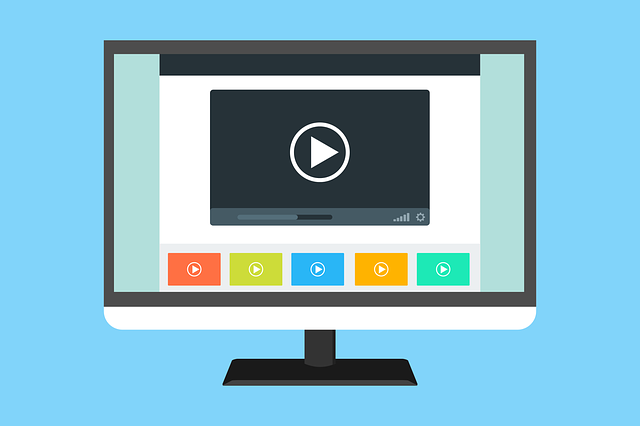
Converting videos to DivX format can significantly enhance your video’s quality while keeping file sizes manageable. Here are some practical tips for achieving this:
1. Choose the Right Encoder: Opt for a reliable DivX encoder that supports low bitrate encoding without sacrificing visual fidelity. Many modern encoders offer intuitive interfaces and advanced settings for fine-tuning your conversion process.
2. Optimize Settings: Adjust codec settings to strike a balance between quality and size. Lowering the video resolution and bit rate can significantly reduce file size, ensuring exceptional image quality even at lower rates. Consider using preset profiles designed for video streaming or mobile devices to streamline the process while maintaining good quality.
3. Select Appropriate Codecs: DivX supports various codecs, each with its strengths. H.264 (AVC) and H.265 (HEVC) are popular choices known for their high compression efficiency without notable quality loss. Choose the codec that best suits your needs based on compatibility and desired output quality.
4. Transcode Wisely: If you’re converting from a different format, transcoding can help optimize the video for DivX. This process involves re-encoding the video data, allowing you to fine-tune settings specific to DivX requirements.
5. Test and Compare: Always test your converted videos on various devices and platforms. Compare them side by side with the original to ensure the quality meets your expectations, especially at low bitrates.
DivX has proven its worth as a powerful video codec, offering exceptional image quality even at low bitrates. By understanding the impact of bitrates and employing optimization techniques, users can achieve remarkable results when converting videos using DivX Encoder. Following practical tips ensures a smooth process, allowing anyone to create high-quality DivX files effortlessly. Mastering DivX conversion is now within reach, thanks to these insights.