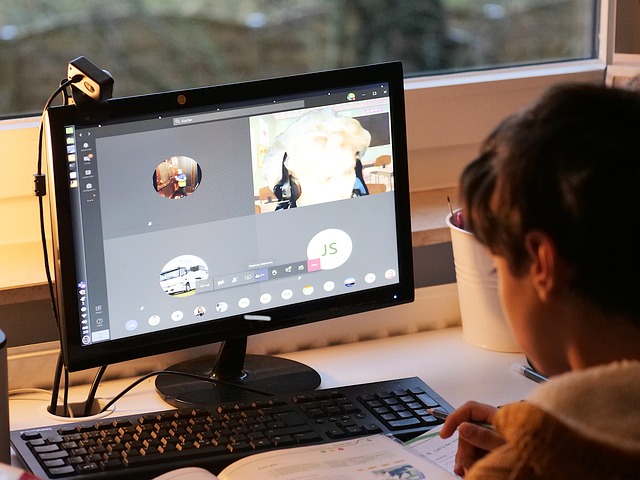
DivX's powerful video compression and universal compatibility ensure seamless multimedia experiences across diverse devices. Converting videos to DivX enables smooth playback on PCs, mobile phones, and smart TVs. Using efficient conversion tools like HandBrake or Format Factory, you can easily convert DivX files into widely compatible formats like MP4 for optimal streaming and sharing. Optimizing settings like resolution and bitrate ensures your video looks great everywhere.
Discover the power of DivX—a game-changer in media compatibility. This guide explores how seamless device integration can enhance your digital entertainment experience. Learn about the benefits of converting your media files to DivX, ensuring universal playback across various platforms. From understanding DivX’s universal appeal to choosing the right tools and a step-by-step conversion process, this article is your comprehensive guide to mastering DivX conversion, allowing you to enjoy your content seamlessly.
Understanding DivX and Its Universal Compatibility
DivX, a popular video codec, has long been recognized for its exceptional compression capabilities and universal compatibility. This makes it an ideal choice for users looking to enjoy multimedia content across different devices and platforms. Understanding how DivX achieves this seamless integration is key to unlocking the benefits of this format.
Converting videos to DivX ensures that they can be played back smoothly on a wide array of devices, from high-end PCs to mobile phones. This versatility is attributed to DivX’s efficient compression algorithms and extensive support from various media players and operating systems. By leveraging these features, users can easily share and stream content without worrying about compatibility issues.
The Benefits of Seamless Device Integration

Seamless device integration offers a multitude of benefits for users, revolutionizing how they interact with their digital content. By enabling compatibility across various devices, from smartphones and tablets to smart TVs and gaming consoles, users can effortlessly access and enjoy their media library anywhere, anytime. This uniformity fosters convenience, eliminating the frustration of dealing with incompatible formats or needing separate software for each device.
For example, when converting DivX files to a format compatible with all devices, seamless integration becomes paramount. Tools that facilitate this process not only ensure top-quality video but also allow users to stream their content without hiccups across multiple platforms. This is particularly beneficial for entertainment enthusiasts who want to create a unified media environment at home, ensuring a consistent viewing experience regardless of the device they use.
Preparing Your Digital Library for Conversion

Converting your digital library to a compatible format is an essential step in ensuring seamless integration with various devices. To begin, organize your collection, ensuring all DivX files are identified and ready for conversion. This process involves creating a structured folder system, where each DivX movie or video file has a dedicated location, making it easier to manage and access.
Next, research and select an efficient conversion tool that supports DivX format. There are numerous options available, offering different features and compatibility levels. Choose one that aligns with your needs, whether it’s batch conversion for multiple files or specialized settings for specific video profiles. How to Convert DivX becomes straightforward once you have the right tools in place, ensuring a smooth transition for your digital library.
Choosing the Right Tools for DivX Conversion
Converting DivX files can be a straightforward process with the right tools. When learning how to convert DivX, consider your devices and software compatibility. It’s essential to choose a converter that supports multiple formats, ensuring seamless integration across different platforms. Look for features like batch conversion capabilities, which allow you to process multiple files at once, saving time and effort.
Additionally, consider the converter’s output options. A versatile tool should offer various output formats, such as MP4 or MKV, suitable for modern devices and media players. These considerations will ensure a smooth transition during the DivX conversion process, allowing users to enjoy their media content without compatibility issues.
Step-by-Step Guide: Converting Your Media Files

Converting your media files for seamless integration with various devices starts with choosing the right format. DivX is a popular choice due to its high compression rates and compatibility across platforms. Here’s a step-by-step guide on how to convert DivX files efficiently:
1. Select a Reliable Converter: Download a reputable video converter that supports DivX input and output. Tools like HandBrake, Format Factory, or VLC Media Player offer excellent conversion capabilities with minimal effort.
2. Import Your DivX File: Open the selected converter and navigate to the “Add” or “Import” tab. Locate and select your DivX file from your device’s folder. Some converters may require you to specify the file type as “DivX” for accurate processing.
3. Choose Output Format: Select a suitable output format that ensures compatibility with your target devices. MP4 is widely supported across different platforms, making it an excellent choice. Adjust other settings like resolution and bitrate if needed, but leave them at their default values unless you have specific requirements.
4. Start Conversion Process: Once the options are set, hit the “Convert” or “Start” button to begin the process. Depending on the file size, this could take a few minutes. After completion, locate the converted file in your specified output folder.
Post-Conversion: Optimizing and Enjoying Your Content

After successfully converting your DivX files, the real fun begins: optimizing and enjoying your content seamlessly across devices. This step is crucial for ensuring that your video looks and performs at its best on whatever platform you choose. Start by examining the output file’s settings. Adjusting parameters like resolution, bitrate, and encoding type can greatly impact quality and compatibility. Aim for a balance between file size and visual fidelity, considering the device’s capabilities.
For instance, if converting for mobile viewing, opt for a lower resolution to reduce file size without sacrificing too much quality. Conversely, if preparing content for a high-end smart TV, you may want to keep a higher resolution and bitrate for optimal picture clarity. Remember, the goal is to create a versatile asset that looks great and plays smoothly everywhere your audience goes.
Converting DivX files is a straightforward process that offers unparalleled versatility. By understanding how DivX facilitates seamless integration with various devices, you can easily prepare and convert your digital library for optimal enjoyment across different platforms. Following the step-by-step guide provided and utilizing the right tools, you’ll be able to optimize and savor your content without hassle, making the most of your media collection.